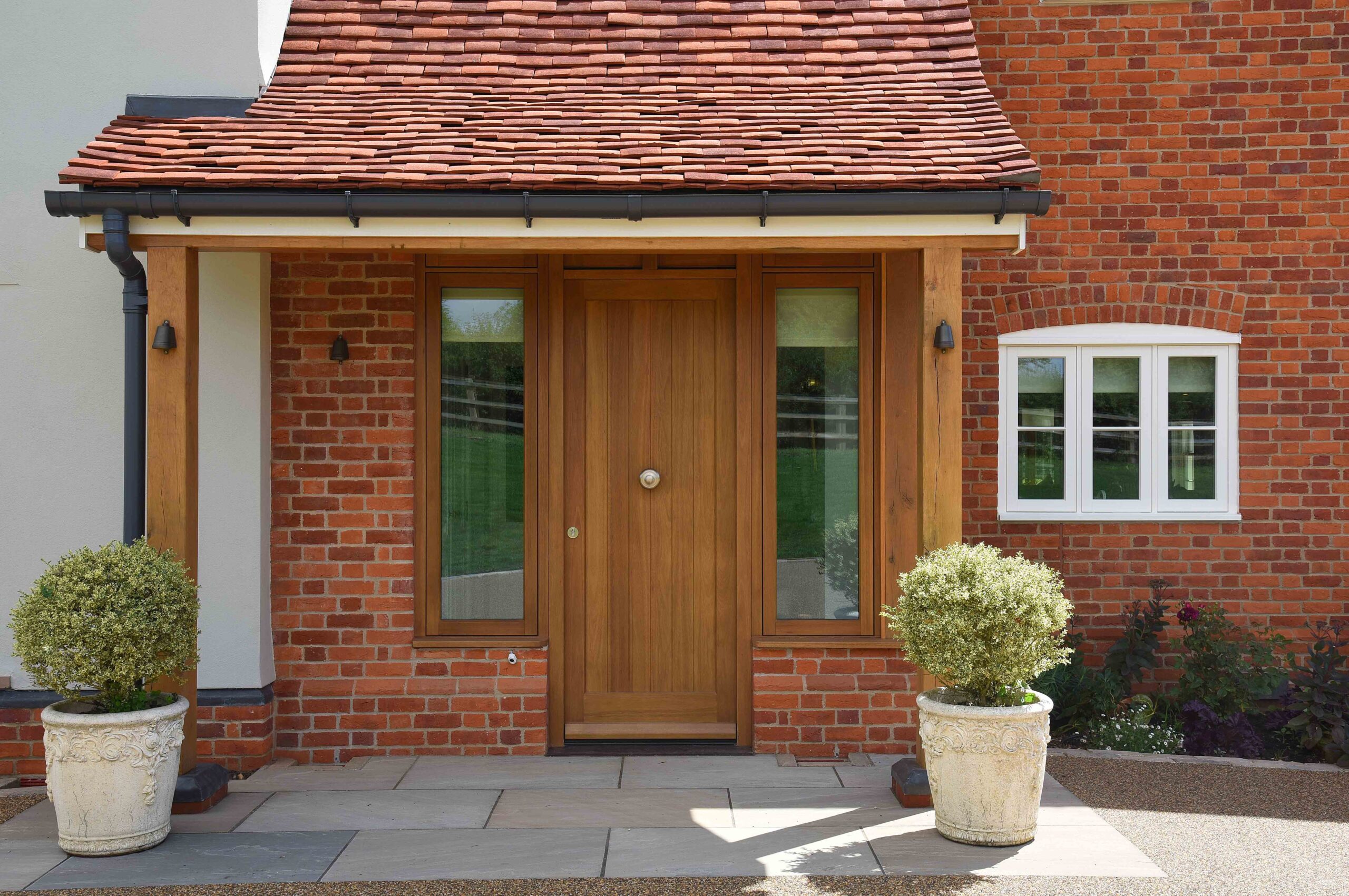
What Door Frame Installation Will Be Your Next Big Obsession
Comprehensive Guide to Door Frame Installation
Door frame installation is a vital skill for both DIY lovers and professional contractors. An effectively installed door frame contributes to the aesthetics, security, and energy efficiency of an area. This guide will stroll you through the steps associated with installing a door frame, supply helpful suggestions, and answer common questions regarding the installation process.
Understanding Door Frames
Before diving into the installation, it's important to understand the anatomy of a door frame. A door frame consists of numerous parts:
- Head or Top Rail: The top horizontal piece.
- Jambs: The vertical sides of the frame.
- Sill or Bottom Rail: The bottom horizontal piece that often sits on the floor.
- Stop: The strip that prevents the door from swinging through the frame.
Types of Door Frames
There are different types of door frames available, which can be categorized based on their material and design:
Type
Description
Advantages
Downsides
Wooden Frame
Made from solid wood or engineered wood
Strong, visual appeal
Prone to warping and insects
Metal Frame
Generally made from steel or aluminum
Long lasting, resistant to harm
Can be less aesthetically appealing
Composite Frame
A mixture of materials for improved performance
Lightweight, frequently energy effective
Might not be as strong as wood or metal
Tools and Materials Required
To install a door frame, you will need numerous tools and materials. Below is a comprehensive list:
Essential Tools
Tool
Function
Measuring tape
For determining door and frame sizes
Level
To guarantee the frame is plumb
Hammer
For driving the nails
Screwdrivers
For fastening screws
Saw
For cutting frame pieces
Sculpt
For mortising the door frame if required
Drill
For creating holes for screws/nails
Square
To examine for ideal angles
Needed Materials
Product
Description
Door frame package
Pre-cut frame components
Wood for shimming
Utilized to fill spaces and level the frame
Nails/Screws
For securing the frame
Wood glue
Optional, for added stability
Trim molding
For visual appeals
Steps for Installing a Door Frame
Action 1: Measure and Prepare the Opening
Before installation, determine the door opening to ensure a proper fit. The basic door size is normally 36 inches broad and 80 inches high, however this can differ. Here's how to prepare:
- Measure the Rough Opening: Check the width and height. The rough opening is normally 2 inches wider and 2.5 inches taller than the door.
- Remove Unwanted Materials: Clear the area of any particles or old frame remnants. Look for level and plumb, making essential changes.
Step 2: Assemble the Frame
- Lay Out the Frame: Start by setting out the frame parts on the ground, guaranteeing the leading and side jambs align properly.
- Sign up with the Pieces: If using a pre-cut frame package, follow the manufacturer's guidelines. Secure using nails or screws, ensuring whatever is square.
Step 3: Install the Frame
- Position the Frame: Carefully raise the assembled frame into the rough opening.
- Change for Level: Use shims to adjust the frame. Place shims behind the hinge side, ensuring the frame is level and plumb.
- Secure the Frame: Start nailing or screwing the frame into the wall. Begin with the top and then secure the sides.
Step 4: Add Trim and Finishing Touches
- Set up Trim: Measure and cut trim pieces to fit around the door frame. Connect using nails or glue.
- Fill Gaps: Use caulk to fill gaps in between the trim and the wall for a completed appearance.
- Sand and Paint: If needed, sand rough edges and paint the frame and trim.
Step 5: Hang the Door
- Hinge Placement: Position the hinges on the door and frame, marking the places.
- Connect Hinges: Drill holes and connect hinges to the door initially, then to the frame.
- Test Operation: Open and close the door to ensure smooth operation. Adjust if there are sticking points.
Tips for Successful Installation
- Work Slowly: Rushing can result in errors; take your time throughout each step.
- Check Measurements: Measure twice to avoid unneeded cuts and mistakes.
- Pick Correct Materials: Select high-quality products for longevity and performance.
- Security First: Always wear security equipment when utilizing power tools.
Often Asked Questions
Q1: What if the frame is not square?
If you find that the frame is not square, utilize shims to adjust it. Windows And Doors R Us will help align it effectively within the opening.
Q2: Can I set up a frame without professional help?
Yes, if you have fundamental carpentry skills and tools, you can set up a door frame on your own. Follow directions thoroughly.
Q3: Is it necessary to paint the door frame?
Painting the door frame is not required but advised for security versus wear and to boost looks.
Q4: How do I understand if my frame is plumb?
Utilize a level on both the vertical and horizontal surface areas of the frame. Adjust with shims as required.
Q5: Can I reuse an old door frame?
You can reuse an old door frame, but ensure it is still structurally sound. Check for warping, damage, or wear and tear.
Door frame installation might appear complicated, however by following these thorough actions and utilizing the supplied resources, anyone can effectively install a door frame. Appropriate installation not just enhances the visual appeal of your home however likewise ensures security and energy effectiveness. With cautious planning, the right tools, and attention to detail, changing your entryways can be a rewarding DIY job.